
What is Vitamin B12?
Also known as hydroxocobalamin injections, Vitamin B12 injections are a popular way to ensure adequate nutritional intake.
B12 is a water soluble vitamin that can exist in a number of forms, all of which contain the mineral cobalt. Performing several roles within the body, B12 supports the normal function of nerve cells and plays a vital part in the synthesis of red blood cells and DNA. Vitamin B12 is involved in energy production in your body and can improve your energy levels and decrease fatigue. It is also the essential vitamin which is needed for the production of mood-regulating chemicals in the brain. So, having the right balance can improve your mood, sleep, emotions and even help prevent depression.
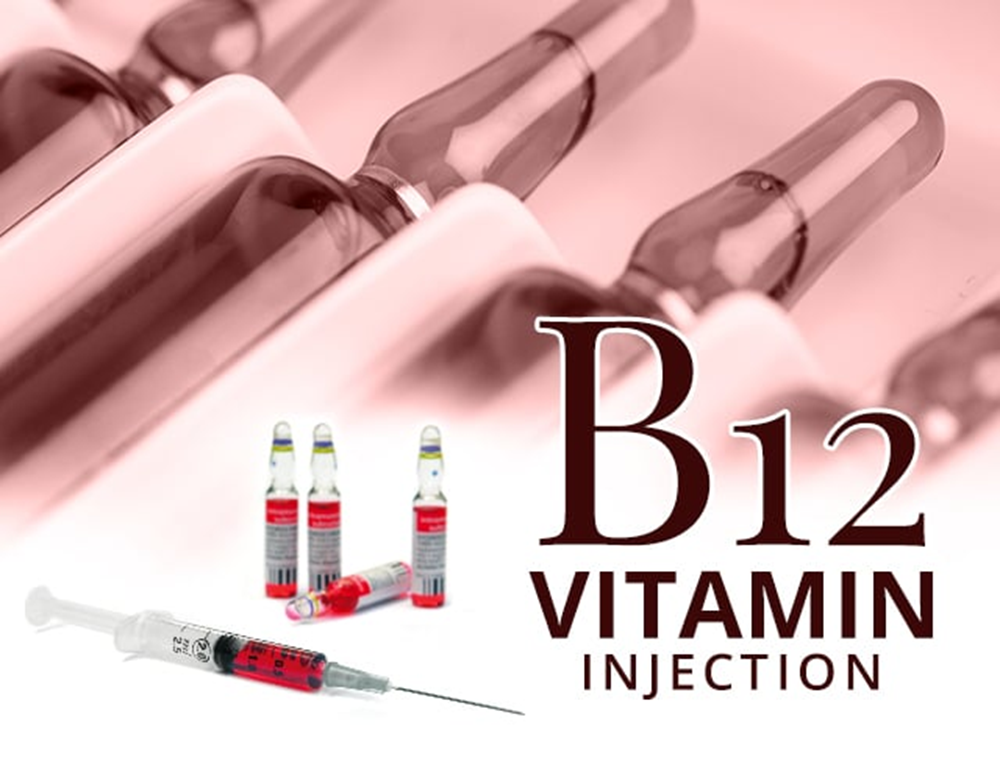
Vitamin B12 is usually obtained through nutrition. The highest concentrations are found in animal sources, such as meat, dairy, fish and eggs. Vitamin B12 can also be supplemented with pills and sprays, as an alternative to injections.
The following groups may not get enough vitamin B12 or have trouble absorbing it:
- Adults over 50. An estimated 10-30% of adults over 50 have difficulty absorbing B12 from food. As we get older, we often produce less hydrochloric acid in the stomach, which is crucial to absorb B12. We may not even be able to absorb the B12 from supplements for the same reason.
- People with pernicious anaemia, whose bodies do not make the intrinsic factor needed to absorb B12.
- People who have had gastrointestinal surgery, weight loss surgery, or who have digestive disorders such as coeliac disease, Crohn’s disease, IBS or regular diarrhoea. These conditions can reduce the amount of B12 absorbed.
- People with Eating Disorders.
- Vegetarians or Vegans, who eat little or no animal foods.
- Those under a lot of stress, as this often affects the digestive system and limits its absorption capabilities.
- Alcohol. Drinking too much alcohol can lead to inflammation of the stomach, causing stomach acid to decrease and reducing the body’s ability to absorb nutrients.
- Those taking certain medications such as: Omeprazole, Lansoprazole or Ranitidine for acid reflux and peptic ulcer disease; Metaformin for treating diabetes; and Chloramphenicol, an antibiotic all effect vitamin B12 absorption.
Vitamin B12 deficiency causes many symptoms such as:
- Lack of energy, weakness, breathlessness, poor sleep.
- Constipation, loss of appetite, weight loss, anaemia.
- Nerve problems, damage to nervous system, numbness and tingling in the hands and feet.
- Mental confusion, brain fog, balance problems, depression, poor memory, dementia.
- Soreness of the mouth or tongue.
The benefits of Vitamin B12 treatment may include:
- Decreasing fatigue and increasing energy levels.
- Better sleep.
- Faster metabolism.
- Feeling refreshed and motivated.
- Prevent low mood and symptoms of depression.
- Healthy hair, nails and skin.
- Other health benefits may include, bone health and heart benefits.
- Help with weight loss.
- Speeds up metabolism.
- Prevents anaemia.
- Helps heal depression and anxiety.
If you have a B12 deficiency and are experiencing persistent symptoms like low energy and fatigue, then you may benefit from vitamin B12 treatment with us.
Vitamin B12 is a water-soluble vitamin, so it is passed through the urine. Excess amounts have not been shown to cause any harm.
Procedures are incredibly quick. They are simply the length of time of an injection.
Most clients have a sense of improved general wellbeing almost immediately after their first Vitamin B12 injection. Nearly all clients report a larger rise in energy levels after their second or third shot. Vitamin B12 shots are the most effective when taken at regular intervals. We recommend once weekly for 4 weeks, followed by once a month.
There is zero downtime with Vitamin B12 injections. You can return to normal activities right away.
There is only the very minor and fleeting discomfort of an injection.
Vitamin B12 shots should be taken at regular intervals. We recommend once weekly for 4 weeks, followed by once a month.
There are a few common side effects such as pain or swelling where your injection was given, feeling nauseous, headaches and hot flushes. Heart palpitations are extremely rare however your GP must be informed immediately should this occur.
You will be given full post treatment instructions which you must follow. It is advised not to rub the skin for 4 to 6 hours or massage. In addition, you should try to avoid strenuous exercise, hot baths, showers or saunas, laying flat and alcohol consumption.
The full effects of the results can take up to 48-72 hours.


